Natural alternatives to chemical flea treatments for puppies in 2026
Discover effective natural alternatives to chemical flea treatments for puppies. Learn about organic remedies and safer prevention methods today!

Mục lục
Ensuring your young canine companion remains healthy and vibrant often starts with protecting them from parasites. Many pet parents are increasingly concerned about the potential side effects and environmental impacts of traditional pharmaceutical products. By exploring natural alternatives to chemical flea treatments for puppies, you can safeguard your pet's well-being without relying on harsh synthetic substances that may cause skin irritation or neurological issues.

Understanding the shift toward organic flea control puppies
As we move through 2026, the demand for natural alternatives to chemical flea treatments for puppies has skyrocketed. This trend is driven by a desire for holistic pet care that avoids the gastrointestinal distress sometimes associated with oral medications. Experts suggest that a multi-layered approach combining dietary supplements and environmental management is the best way to prevent tick-borne diseases and flea infestations naturally.
Effective puppy safe flea remedies from the nature
Natural flea drops and powders offer a physical or repellent barrier against pests. Unlike chemicals that enter the bloodstream, these solutions work on the surface of the coat or within the puppy's immediate environment.
- Diatomaceous Earth: This fossilized algae powder is non-toxic to mammals but lethal to insects. It works by dehydrating fleas upon contact. Always use food-grade versions to ensure safety.
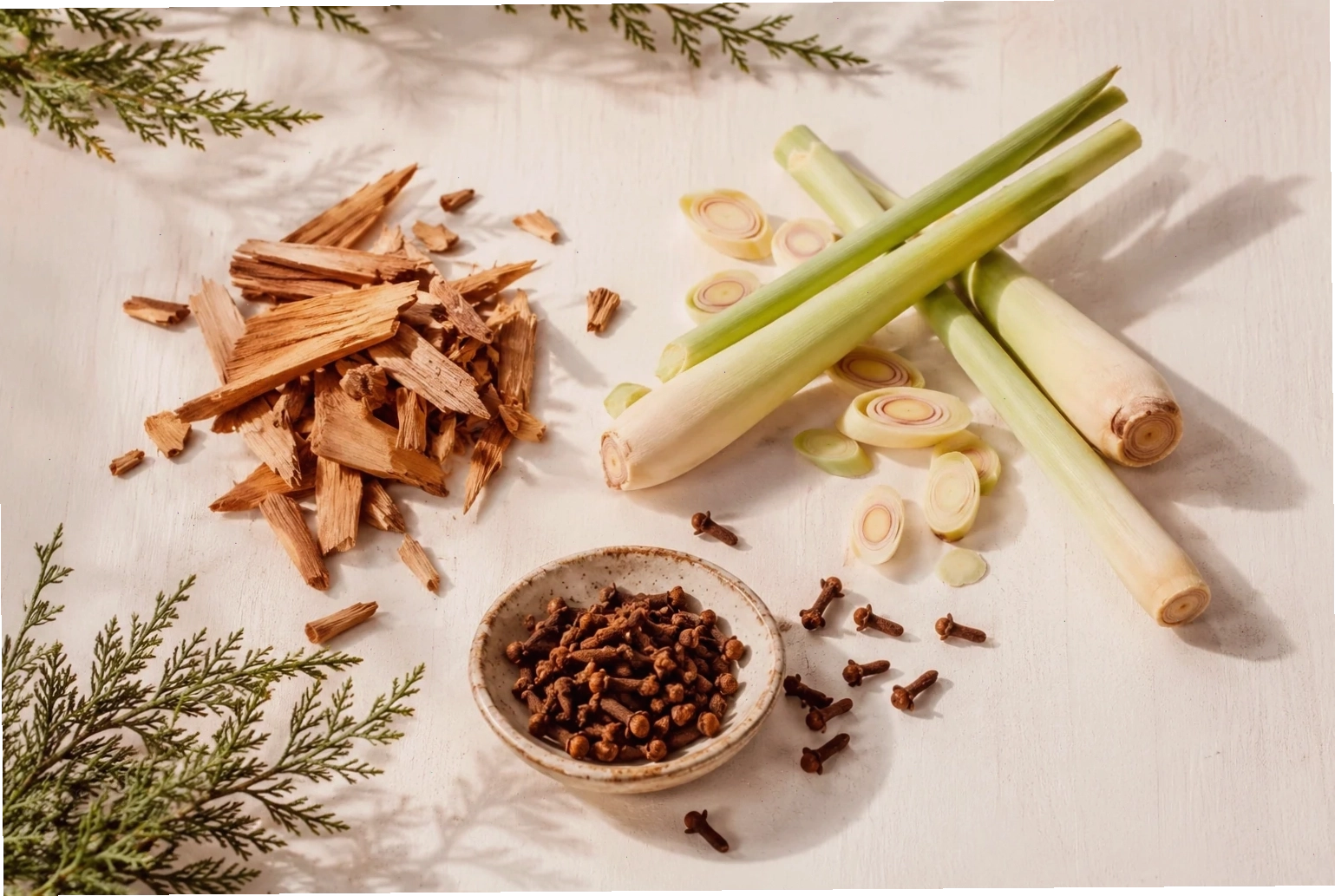
- Essential Oil Blends: Diluted oils like lavender, peppermint, and cedarwood act as powerful repellents. These are excellent for creating homemade sprays that keep pests at bay during outdoor walks.
- Apple Cider Vinegar: Adding a small amount to drinking water or using it as a coat rinse creates an acidic environment that fleas find inhospitable.
Comparing natural and chemical prevention methods
When deciding on a protocol, it is helpful to weigh the pros and cons of traditional vs. botanical options. The following table highlights the differences in application and safety profiles.
| Feature | Chemical Treatments | Natural Alternatives |
|---|---|---|
| Mechanism | Neurotoxins in the bloodstream | Physical barriers or repellents |
| Side Effects | Skin irritation, lethargy | Minimal (if properly diluted) |
| Environment | May impact local ecosystems | Biodegradable and eco-friendly |
| Application | Monthly topicals or tablets | Frequent grooming and sprays |
Managing the home environment for comprehensive protection
A puppy safe flea remedies plan is only as good as the cleanliness of their living space. Fleas spend a large portion of their life cycle in carpets and bedding rather than on the pet itself. To break this cycle, frequent vacuuming is mandatory. You should focus on hard-to-reach areas and dispose of the vacuum contents immediately outside the home to prevent re-infestation.
Steam cleaning is another excellent non-pharmaceutical option. The high heat effectively kills flea larvae and eggs that are buried deep within carpet fibers. When combined with natural detergents, this method ensures your home remains a safe sanctuary for your growing puppy.
Specific considerations for feline health and multi pet homes
In households that also have domestic cats, it is vital to remember that feline health can be sensitive to certain essential oils. While a product might be safe for a dog, it could be toxic to a cat. Ensuring you treat cat ear mites and other feline issues with species-specific medication like Tresaderm for cats is essential. Proper cat care involves monitoring for cat ear infections and using appropriate ear mite medication when needed.
Expert tips for long term flea prevention in 2026
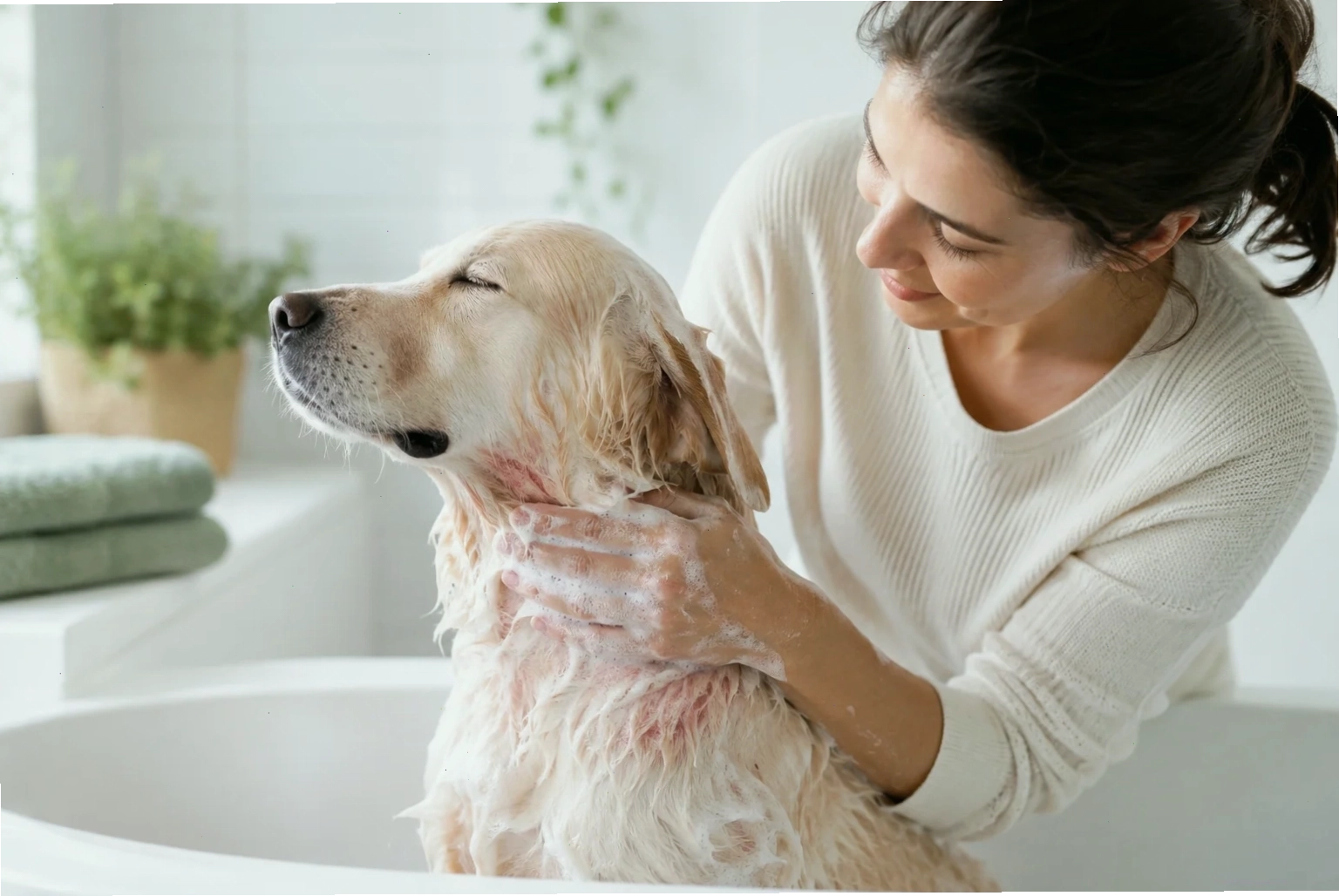
The most successful pet parents are those who prioritize consistency. Weekly grooming sessions with a fine-toothed flea comb allow you to spot pests early before they become a full-blown infestation. Supplementing your puppy's diet with small amounts of brewer's yeast can also alter their skin's scent, making them less attractive to parasites.
Always consult with your veterinarian to tailor a plan that fits your puppy's specific breed and lifestyle. By remaining vigilant and utilizing the wealth of natural resources available, you can enjoy a pest-free home and a happy, healthy pet. Start your journey toward a chemical-free lifestyle today and witness the benefits of holistic pet care.



Bình luận